
 Cardiology
 Paediatrics
 Neurology
 Orthopaedics
 Family
Physician
Family
Physician
 Gynecology
 Endocrinology
 Gastrology
 ENT
ENT
 Pulmonology
 Cancer Care
 Radiology


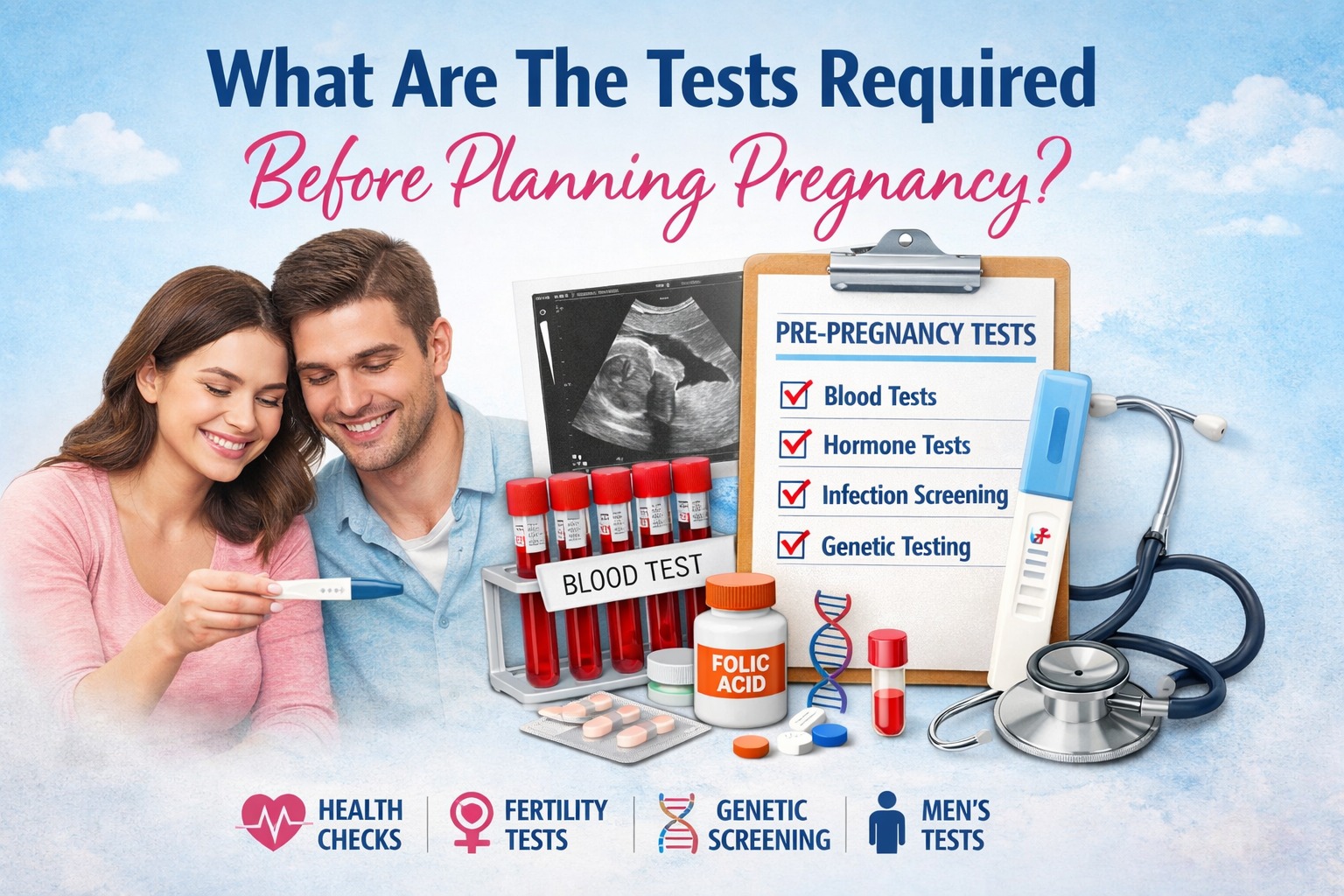
Planning for a baby is one of life's most emotional and meaningful decisions. It is a journey filled with excitement, hope, and a little bit of nervousness too. While many couples focus on the right time to conceive, one important step often gets overlooked: pre pregnancy tests.
Think of it this way: just like you prepare for a big life event, your body also needs preparation before pregnancy. These tests act as a foundation, helping ensure that everything is in place for a healthy pregnancy and a healthy baby.
If you are unsure where to begin, consulting experienced professionals at Gore Multispeciality Hospital can give you clarity and a personalized roadmap for your pregnancy journey. You can also explore trusted options like a gynecologist hospital in Ravet to get expert guidance closer to your location.
In this detailed guide, we will walk you through everything you need to know about tests required before planning pregnancy, why they matter, and how they can make your journey smoother and safer.
What Are Pre Pregnancy Tests?
Pre pregnancy tests, also known as preconception tests, are a series of medical checkups done before you try to conceive. These tests evaluate your overall health, reproductive system, and any potential risks that could affect your pregnancy.
They are not just for women. Both partners can benefit from these evaluations.
Who should consider these tests?
- Women planning their first pregnancy
- Couples trying to conceive
- Women with irregular periods
- Individuals with existing health conditions
- Couples who have faced previous pregnancy complications
In simple terms, these tests help answer one important question: Is my body ready to support a healthy pregnancy?
Why Are Tests Important Before Planning Pregnancy?
You might wonder, is it really necessary to do all these tests? The answer is yes, they make a big difference.
1. Detect Hidden Health Issues
Pre pregnancy tests help identify underlying health conditions such as anemia, thyroid disorders, diabetes, or infections that may not show obvious symptoms. Detecting these issues early allows timely treatment, reduces risks during pregnancy, and ensures your body is in the best possible condition before conception.
2. Improve Fertility Chances
Hormonal imbalances, ovulation problems, or reproductive health issues can affect your ability to conceive. Pre pregnancy tests help evaluate these factors and guide necessary treatments or lifestyle changes. Addressing these concerns early can significantly improve natural conception chances.
3. Reduce Pregnancy Risks
Certain medical conditions or infections can increase the risk of complications such as miscarriage, premature birth, or birth defects. Pre pregnancy tests help identify these risks in advance so doctors can manage them effectively.
4. Ensure Baby's Healthy Development
A mother's health directly impacts the baby's growth and development. Pre pregnancy tests help detect infections, deficiencies, or genetic risks early so preventive measures can be taken.
5. Provide Peace of Mind
Knowing that your health has been properly evaluated before pregnancy brings confidence and emotional reassurance. This peace of mind plays an important role in overall well-being while planning parenthood.
Quick answer: Pre pregnancy tests help detect health issues, improve fertility, and reduce risks, ensuring a safer and healthier pregnancy for both mother and baby.
Complete List of Tests Required Before Planning Pregnancy
Now let us explore the most important tests in detail. You may not need all of them. Your doctor will guide you based on your health profile.
A. Blood Tests Before Pregnancy
Blood tests are the foundation of pre pregnancy screening and provide valuable insights into your overall health.
- Complete Blood Count (CBC): Checks hemoglobin levels and detects anemia or infections.
- Blood Group and Rh Factor: Helps identify possible Rh incompatibility and avoid pregnancy complications.
- Blood Sugar Test: Detects diabetes or prediabetes and supports safer pregnancy outcomes.
- Thyroid Function Test (TSH, T3, T4): Identifies thyroid imbalance that can affect ovulation and miscarriage risk.
B. Hormonal Tests
Hormonal balance is essential for ovulation, conception, and sustaining pregnancy.
- FSH (Follicle-Stimulating Hormone): Assesses ovarian reserve and fertility status.
- LH (Luteinizing Hormone): Helps evaluate ovulation patterns.
- Estrogen and Progesterone: Regulate menstrual cycle and support implantation.
- AMH (Anti-Mullerian Hormone): Indicates ovarian reserve and fertility potential.
C. Infection Screening Tests
Some infections may not show symptoms but can affect pregnancy and fetal development.
- HIV Test: Enables early treatment and reduces transmission risk.
- Hepatitis B and C: Important for maternal and fetal safety planning.
- Rubella Immunity Test: Checks immunity and need for vaccination before conception.
- Syphilis Test: Prevents miscarriage and serious complications through early treatment.
D. Genetic Testing
Genetic testing is important when there is a family history of inherited disorders or prior pregnancy complications.
- Carrier Screening: Checks genes linked to conditions such as thalassemia or cystic fibrosis.
- Inherited Disorder Testing: Helps estimate risk of passing specific conditions to the baby.
E. Fertility Tests
These tests evaluate reproductive organs and conception readiness.
- Pelvic Ultrasound: Detects fibroids, cysts, or uterine structural issues.
- Ovulation Tracking: Confirms regular egg release.
- PCOS Screening: Identifies hormonal imbalance affecting ovulation.
F. Tests for Men (Equally Important)
Male fertility is a major part of pregnancy planning and should not be ignored.
- Semen Analysis: Evaluates sperm count, motility, and morphology.
- Infection Screening: Detects infections that can affect fertility.
- Hormonal or Genetic Testing: Recommended in selected cases based on history.
Pre Pregnancy Tests for Men (Often Overlooked)
Pregnancy planning is a shared responsibility, yet male fertility is often ignored. Key tests for men include semen analysis, infection screening, and genetic testing.
Addressing male health early can significantly improve the chances of successful conception.
When Should You Get Pre Pregnancy Tests Done?
- Ideally 3 to 6 months before trying to conceive
- Allows time for treatment and lifestyle changes
- Early consultation is especially advised for women above 30 or those with health concerns
Additional Preparation Before Pregnancy
1. Nutrition Matters
A healthy diet helps prepare your body for pregnancy. Include folic acid, iron, calcium, protein, fresh fruits, leafy vegetables, whole grains, and dairy. Starting prenatal vitamins early can prevent deficiencies.
2. Lifestyle Changes
Maintain a healthy weight with regular exercise such as walking or yoga. Avoid smoking, alcohol, and excessive caffeine. Prioritize sleep and daily activity to improve hormonal balance and reproductive health.
3. Mental and Emotional Health
Emotional well-being is as important as physical health. High stress can affect fertility. Practice meditation, deep breathing, or mindfulness. Stay positive and communicate openly with your partner.
Do You Need All These Tests?
Not always. The required tests depend on your age, health, and medical history. A doctor will recommend what is necessary for you.
Can You Get Pregnant Without These Tests?
Yes, but skipping tests may increase risks and delay diagnosis of treatable issues.
Common Mistakes Couples Make Before Pregnancy
- Ignoring checkups
- Delaying consultation
- Ignoring male fertility
- Poor lifestyle habits
FAQs
What tests should be done before pregnancy?
Basic tests include blood profile, thyroid function, infection screening, and fertility evaluation. Based on your history, your doctor may also advise hormonal or genetic tests.
How early should I do pre pregnancy tests?
It is ideal to get tested 3 to 6 months before trying to conceive. This gives time to correct deficiencies and complete treatment where needed.
Do men need tests before pregnancy?
Yes. Semen analysis and other screenings help identify male factors early and improve conception outcomes.
Is genetic testing necessary before pregnancy?
It is recommended when there is a family history of inherited disorders or previous pregnancy complications.
Can I get pregnant without pre-pregnancy tests?
Yes, many couples do. However, pre pregnancy tests improve safety by identifying hidden risks in advance.
Conclusion
A healthy pregnancy starts with preparation. Pre pregnancy tests help you take control, reduce risks, and ensure the best start for your baby.
If you are planning your journey, consulting experts at Gore Multispeciality Hospital can guide you every step of the way.
Start early. Stay informed. Prepare better.